
Table of Contents
✨ Essential Nail Care: Key Takeaways
- Internal Health: Nails reflect your diet; Biotin, Iron, and Zinc are essential for structural integrity.
- External Protection: Environmental factors like low humidity and water exposure are primary causes of peeling.
- Safe Removal: Using the correct solvent (Acetone vs. Non-Acetone) preserves natural oils and prevents brittleness.
- Early Detection: Identifying fungal signs early and maintaining a dry environment prevents long-term damage.
Quick Reference: Nail Problems and Solutions
| If You See… | It Might Mean… | The Solution |
|---|---|---|
| Brittle/Peeling Nails | Dehydration or Lack of Biotin | Moisturize daily and eat eggs/nuts |
| White Spots | Minor Physical Trauma | Allow the nail to grow out naturally |
| Vertical Ridges | Normal Aging or Iron Deficiency | Check iron levels and use a buffer |
| Yellowing | Fungal Infection or Polish Stains | Consult a professional or take a break from polish |
The Science of Nail Anatomy: Understanding Growth
Understanding the intricate structure of your nails is essential for providing effective care. The nail matrix acts as the primary growth center, located beneath the skin at the base. New cells are constantly produced here, flattening and hardening to form the nail plate made of alpha-keratin. Protecting these delicate areas from trauma is vital for uninterrupted growth.
💡 Pro Tip: The cuticle serves as a waterproof seal for the matrix. Damage to the cuticle allows bacteria to enter the nail bed. Therefore, maintaining hydration in this area prevents painful infections and inflammation.
Nutrition and Diet for Nail Strength
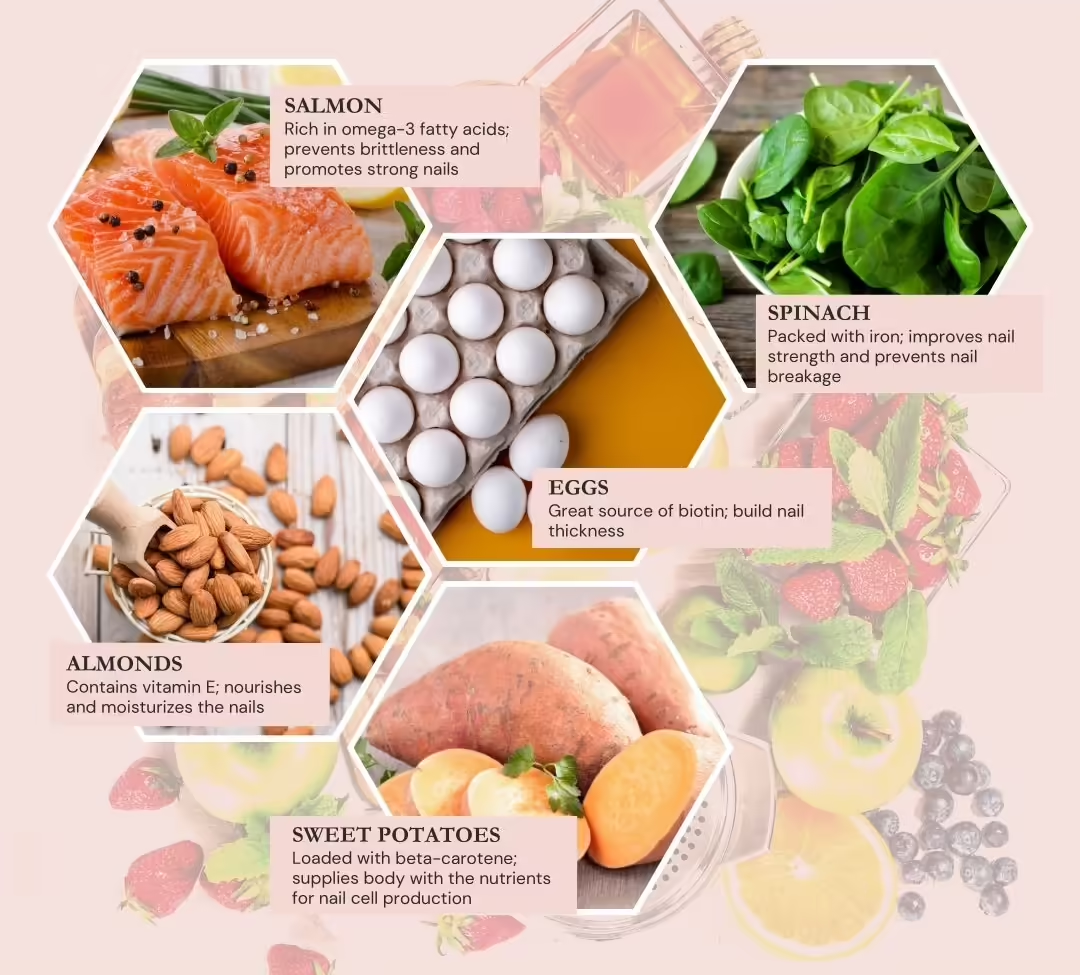
Healthy nails require specific nutrients to maintain their structural integrity. Protein acts as the primary building block, while Biotin plays a crucial role in preventing brittleness. Iron is equally important for preventing vertical ridges, and Zinc supports the production of new cells in the matrix.
Deep Dive: The Ultimate Guide to Biotin: Can Supplements Really Save Your Nails?
| Nutrient | Benefit | Food Source |
|---|---|---|
| Biotin | Increases thickness | Eggs, Almonds |
| Iron | Prevents ridges | Spinach, Red Meat |
| Zinc | Promotes growth | Oysters, Seeds |
| Omega-3 | Adds shine | Salmon, Walnut |
Your 7-Step Weekly Essential Nail Care Routine
- Cleanse: Remove old polish with a non-acetone remover.
- Soak: Dip fingertips in warm, soapy water for three minutes.
- Trim: Clip nails straight across using sharp, clean tools.
- File: Shape edges gently in one direction only.
- Push: Gently move cuticles back with a soft towel.
- Hydrate: Massage cuticle oil into the base of every nail.
- Protect: Apply a clear strengthening base coat for extra support.
Deep Dive: Acetone vs. Non-Acetone: Which Remover is Right for Your Nail Type?
Nail Care & Environmental Protection
Your environment plays a significant role in nail health. External factors such as humidity levels and exposure to harsh elements can directly impact the moisture balance of the nail plate. Adapting your daily routine to account for your surroundings is the first step toward effective protection.

Low Humidity: Maximum Hydration
Dry air and indoor heating strip moisture rapidly. Use heavy occlusive balms and wear gloves when exposed to harsh conditions.
High Humidity: Protection & Strength
Excess moisture can soften nails. Focus on using a strengthening base coat and maintaining a consistent filing routine.
Deep Dive: Environmental Care Guide: Protecting Your Skin and Nails from Harsh Conditions
When to Consult a Professional
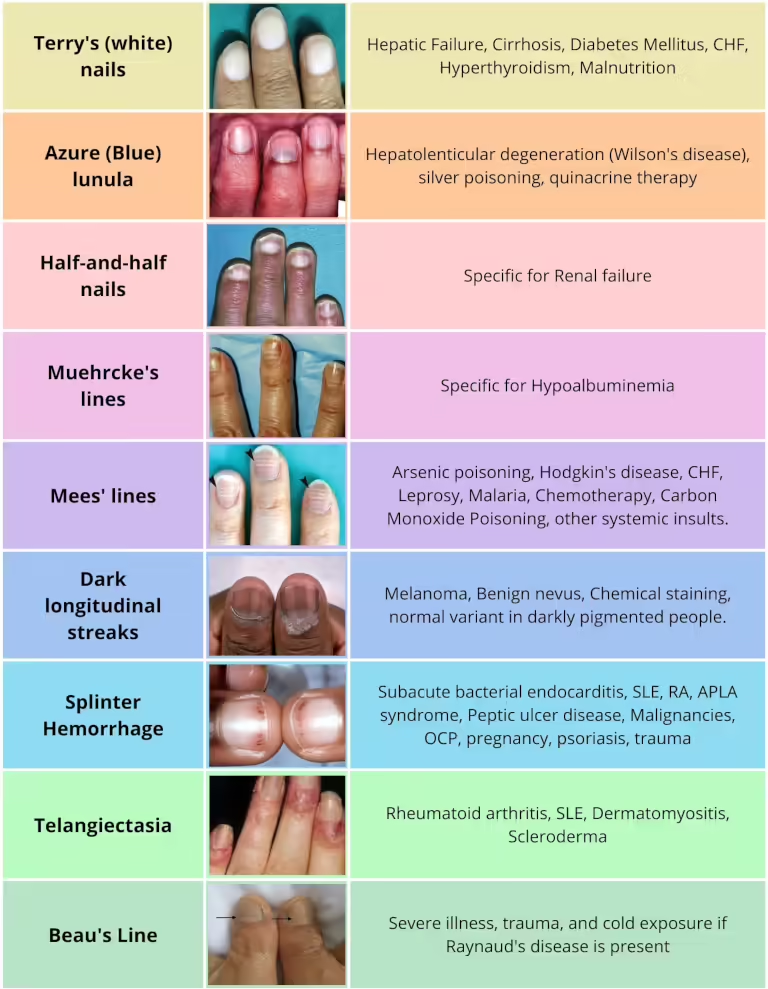
⚠️ Warning Signs: Nails often signal underlying health issues. Dark streaks require immediate medical attention. Thickened or yellow nails might indicate a fungal infection. Do not ignore persistent pain or swelling.
Deep Dive: Fungal Infections 101: Identification, Prevention, and Treatment
Frequently Asked Questions
- How fast do fingernails typically grow? Approximately 3.5 millimeters every month.
- Is it bad to cut your cuticles? Yes, cuticles act as a protective seal. Instead of cutting them, gently push them back.
- What is the best shape for strong nails? An oval or “squoval” shape is typically strongest as it minimizes the risk of snagging.
Did You Know?
Nails are made of alpha-keratin, the same material found in hair and animal hooves. Regular hydration keeps this keratin flexible and resistant to snapping under pressure.
Conclusion
Achieving strong, healthy nails is a journey that combines internal nutrition with external protection. By understanding the science of nail growth and implementing a consistent routine, you can prevent common issues like peeling and brittleness. Start your health routine today for lasting results.
Master Your Nail Health
Download our FREE Master Nail Care Protocol combining Diet, Routine, and Protection!
26-Piece Manicure & Pedicure Set, Nail Clippers, Grooming Kit, Brown
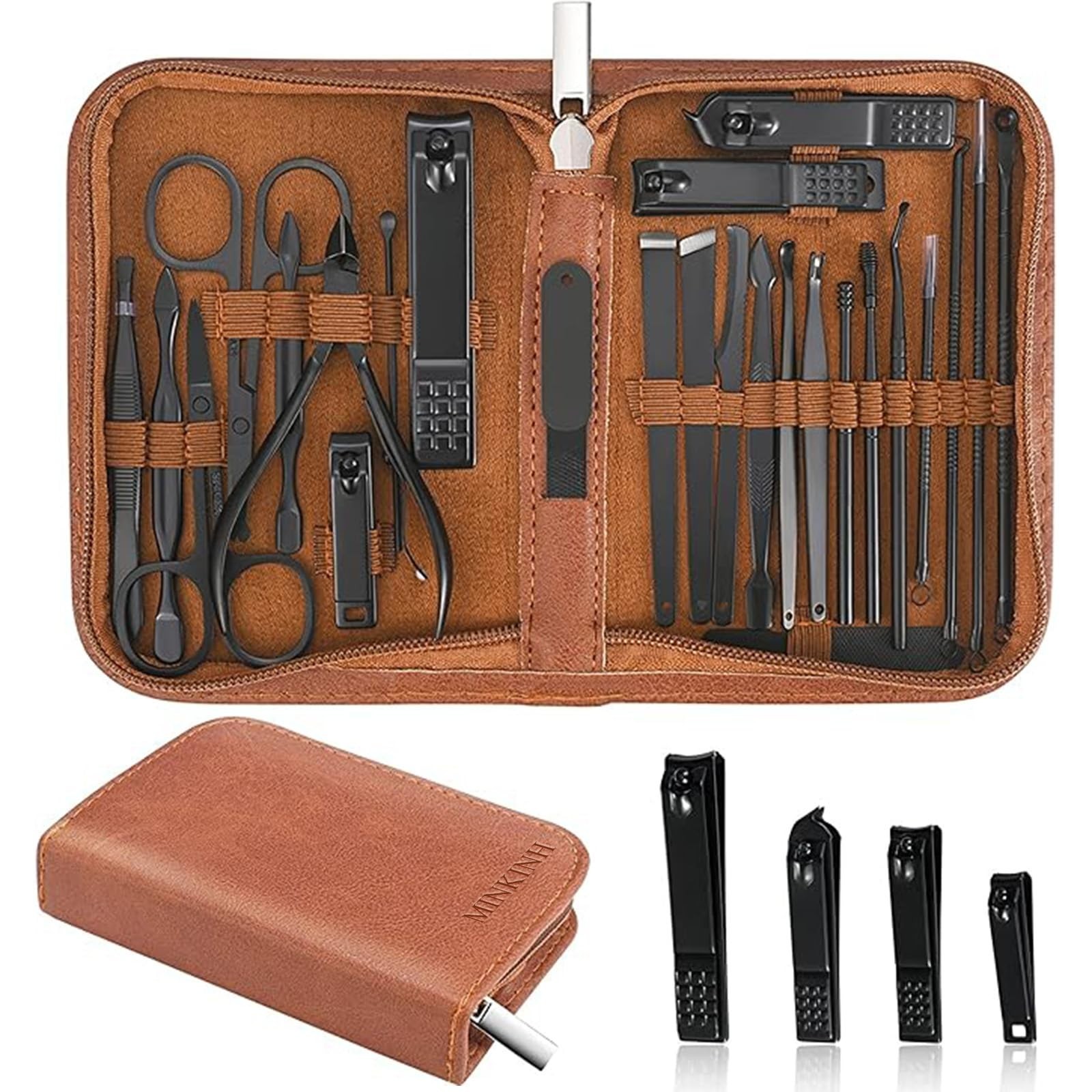
Seller: sweethdlasv (0.0% positive feedback)
Location: US
Condition: New
Price: 19.99 USD
Shipping cost: Free
3-15X Orville Nail Fungus Pen Anti Fungus Infection Nail Care Repair Pen Toenail

Seller: piuhg57 (98.6% positive feedback)
Location: US
Condition: New with box
Price: 28.59 USD
Shipping cost: Free
Leave a Reply