
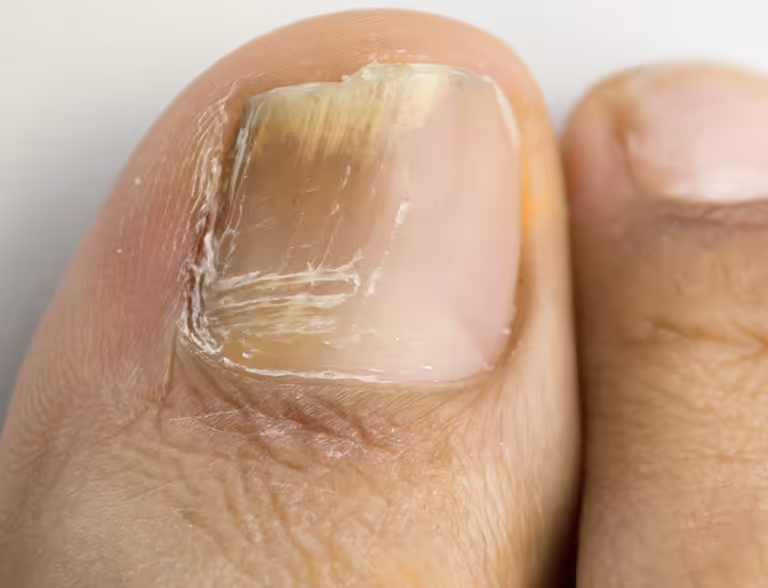
Key Takeaway: Fungal infections (onychomycosis) require early identification and consistent treatment. Prevention through hygiene and dry environments is your best defense.
Table of Contents
Quick Reference: Fungal Symptoms and Actions
| Symptom | What it Means | Action Step |
|---|---|---|
| Yellow/White Spots | Early Infection | Apply topical antifungal lacquer |
| Thickened Plate | Advanced Growth | Consult a podiatrist or doctor |
| Crumbly Edges | Structural Damage | Trim carefully and keep dry |
| Dark Debris | Subungual Buildup | Professional cleaning and treatment |
How to Identify a Fungal Infection
Nail health isn’t just about aesthetics; it’s about protection. Fungal infections, or onychomycosis, often start as a small white or yellow spot under the tip of your fingernail or toenail. As the infection goes deeper, you may notice discoloration, thickening of the nail plate, and brittleness where the nail becomes crumbly or ragged at the edges. Recognizing these early signs is crucial for preventing the spread to other nails.
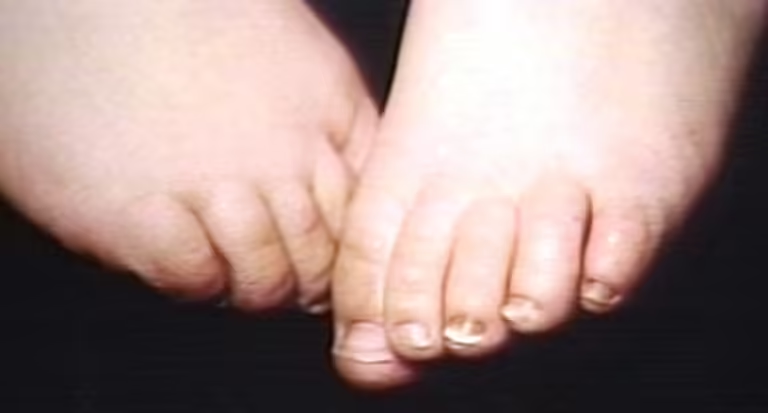
⚠️ Warning Signs: If you have diabetes or a weakened immune system and suspect a fungal infection, consult a healthcare professional immediately. Fungal infections can lead to more serious complications like cellulitis in these cases.
Nail fungus – Symptoms and causes
Prevention: Keeping the Fungus Away
Fungi thrive in warm, moist environments. To keep your nails safe, you must maintain a dry environment for your hands and feet. Always dry thoroughly after swimming or showering, and opt for breathable footwear made of natural materials. Additionally, sanitizing your tools and ensuring your salon uses medical-grade sterilization are vital steps in avoiding cross-contamination.
Treatment Options
Treatment can be a slow process because the infection must grow out with the nail. Options include over-the-counter antifungal lacquers for mild cases, or prescription oral medications for more persistent infections. It is essential to complete the full course of treatment, even if the nail looks better, to ensure the fungus is completely eradicated.
Frequently Asked Questions
- How long does it take to clear a fungal infection? It typically takes 6 to 12 months, as the infected part of the nail must grow out completely and be replaced by healthy growth.
- Can I wear nail polish over a fungal infection? It is best to avoid regular polish as it traps moisture; however, some medicated antifungal polishes are designed for use during treatment.
- Is nail fungus contagious? Yes, it can spread from nail to nail or to other people through shared tools, towels, or walking barefoot in public showers.
- Do home remedies like vinegar work? While some find mild success with acidic soaks, they are generally not strong enough to penetrate the nail plate and clear a deep infection.
Did You Know?
Fungal infections account for nearly 50% of all nail disorders. Maintaining a strong natural barrier through proper hydration and nutrition is your first line of defense. Learn more in our Essential Nail Care Guide.
Conclusion
Fungal infections are persistent but manageable with the right approach. By combining preventative hygiene with early identification and proper treatment, you can protect your nails from long-term damage. Stay consistent with your care routine to ensure your nails remain healthy and strong.
Ready for Healthy Nails?
Download our Free Fungal Prevention & Recovery Checklist to track your treatment!
Leave a Reply