

Table of Contents
✨ Acetone: Key Takeaways
- Acetone: Powerful solvent essential for removing gel, acrylics, and dark glitters quickly.
- Non-Acetone: Gentle, oil-based alternative ideal for natural, brittle nails and regular polish.
- Hydration: Both types require post-removal moisturizing to prevent cuticle damage.
- Safety: Acetone is highly flammable; always use in a well-ventilated space.
Choosing the right nail polish remover is more than just a matter of convenience—it’s a critical decision for your long-term nail health. Whether you’re a gel enthusiast or a fan of natural manicures, understanding the chemistry behind your remover can prevent peeling, splitting, and dehydration. In this guide, we break down the battle of Acetone vs. Non-Acetone to help you make the best choice for your unique nail needs.
The Power of Acetone: When Speed is Essential
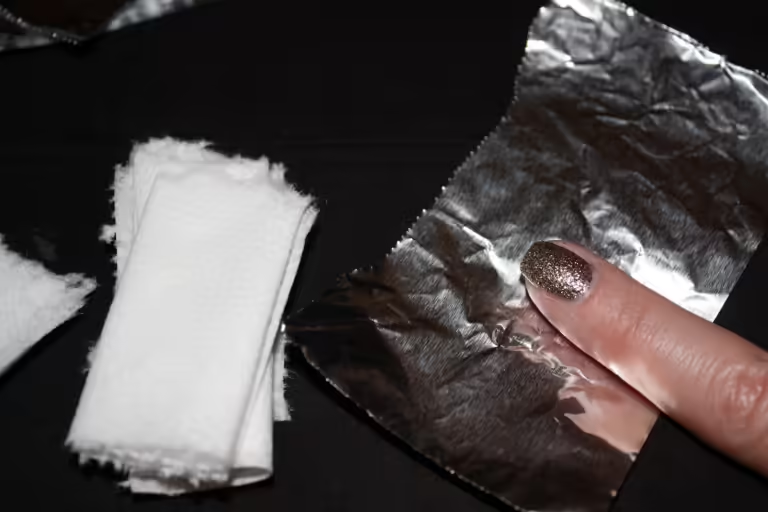
Acetone is a clear, harsh-smelling solvent that works by breaking down the chemical bonds in nail polish almost instantly. It is the only effective way to remove “hard” enhancements like soak-off gels, acrylics, and dip powders. Because it evaporates quickly, it takes the pigment with it, making it the best choice for dark reds or glitters that usually smear. However, this power comes at a cost: acetone is a potent degreaser that strips the natural oils from your nail plate and surrounding skin. When you use acetone, you are essentially dissolving the protective lipid barrier of your nails, which can lead to immediate brittleness if not managed correctly. It is a tool for efficiency, but one that requires respect and a heavy dose of post-care hydration to maintain structural integrity.
Comparison: Acetone vs. Non-Acetone
| Feature | Acetone Remover | Non-Acetone Remover |
|---|---|---|
| Removal Speed | Very Fast (Seconds) | Slower (Requires rubbing) |
| Drying Effect | High (Strips oils) | Low (Often contains oils) |
| Gel/Acrylic Safe? | Yes (Essential) | No (Won’t dissolve them) |
| Best For | Gels, Acrylics, Glitters | Natural nails, Regular polish |
Non-Acetone: The Gentle Alternative
Non-acetone removers typically use solvents like ethyl acetate or isopropyl alcohol. These are less aggressive than acetone and are often enriched with moisturizing agents like Vitamin E, aloe, or panthenol. While they require a bit more “elbow grease” and time to remove polish, they are far kinder to the nail matrix. If you have naturally dry or brittle nails, or if you change your regular polish frequently, non-acetone is your best friend to avoid the dreaded white, chalky look of dehydrated nails. The primary benefit here is the preservation of your nail’s natural moisture balance. By avoiding the harsh stripping action of acetone, you allow your nails to retain their flexibility and strength over time. This makes non-acetone the superior choice for those who prefer natural manicures and want to avoid the cumulative damage that stronger solvents can cause with frequent use.
Frequently Asked Questions
- Can non-acetone remove gel polish? Generally, no. Non-acetone solvents are not strong enough to break the cross-linked polymers in gel polish. Attempting to use it will only result in wasted time and potential damage from excessive rubbing.
- Why do my nails turn white after using acetone? That white residue is a sign of extreme dehydration. The acetone has stripped away the natural lipids and moisture that keep the nail plate flexible and healthy. Immediate oil application is necessary.
- Is acetone safe to use? Yes, it is safe when used in moderation and in a well-ventilated area. However, it should never be used as a primary remover for natural nails if you have a history of brittleness or peeling.
- Which one should I use for regular polish? If your nails are healthy and you want a quick change, acetone is fine. However, if you have sensitive skin or dry nails, non-acetone is the safer, more nourishing long-term option.
What’s your go-to remover for regular nail polish?
Conclusion: The Verdict
There is no “one-size-fits-all” winner in the debate between acetone and non-acetone. Your choice should depend entirely on the type of manicure you are wearing and your underlying nail health. Use acetone for the heavy lifting—specifically gels, acrylics, and stubborn glitters—but switch to non-acetone for your weekly natural manicures to preserve moisture. Regardless of your choice, never skip the hydration step. A single drop of high-quality, jojoba-based cuticle oil can undo the drying effects of even the strongest solvents, ensuring your nails stay resilient. For a complete look at how to maintain your nails after removal and build a professional-grade routine, be sure to visit our Essential Nail Care Guide. Balancing chemistry with care is the secret to a perfect, healthy manicure.
Master Your At-Home Manicure
Download our FREE Safe Removal Checklist to protect your nails from damage!