
Table of Contents
✨ Biotin: Key Takeaways
- Keratin Support: Biotin is essential for keratin production, the foundation of nail strength.
- Patience is Key: Visible results typically take 3–6 months of consistent intake.
- Food First: Natural sources like egg yolks and legumes are highly bioavailable.
- Safety: High doses can interfere with lab tests; always consult a professional.
Biotin, also known as Vitamin B7, has become the “gold standard” supplement for anyone looking to improve their hair, skin, and nails. But does the science actually back up the hype? In this guide, we’ll dive into how biotin works and whether it’s the missing piece in your nail care routine.
What is Biotin and How Does it Work?
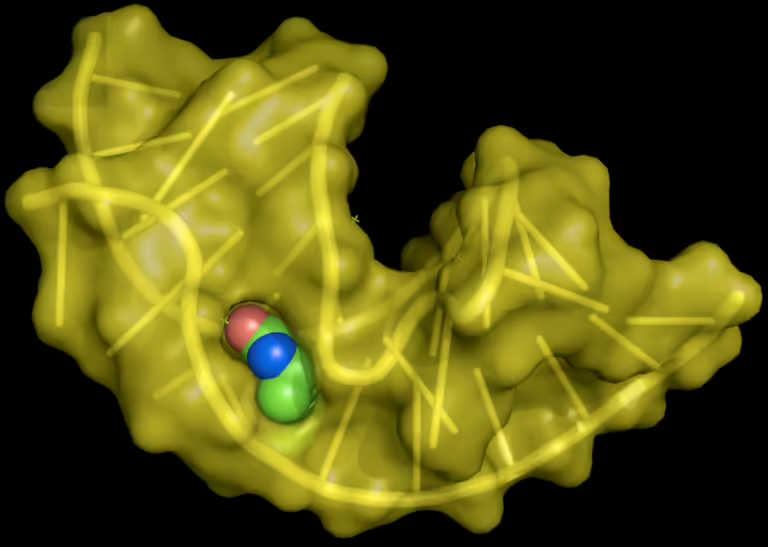
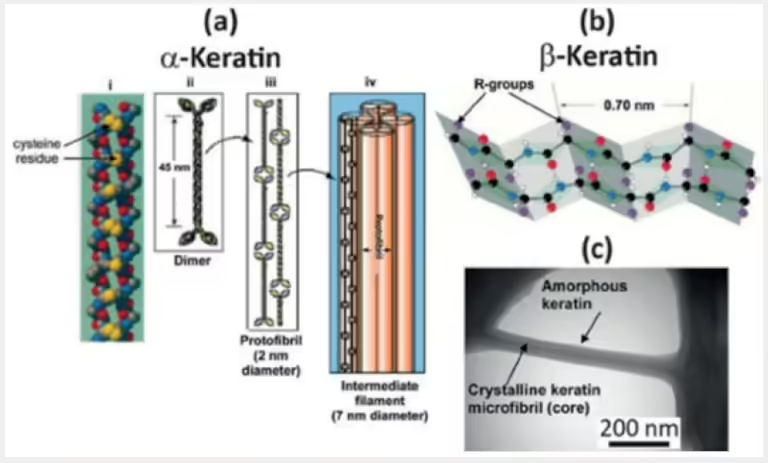
Biotin is a vital water-soluble vitamin that belongs to the B-complex family, specifically known as Vitamin B7 or Vitamin H. Its primary role in the human body is acting as a coenzyme for carboxylase enzymes, which are essential for the metabolism of fatty acids, amino acids, and glucose. When it comes to your beauty routine, biotin’s most significant contribution is its role in the production of keratin. Keratin is the tough, structural protein that forms the foundation of your hair, skin, and nails. Because your body is unable to store water-soluble vitamins for long periods, maintaining a consistent daily intake through a balanced diet or targeted supplementation is crucial for supporting the continuous growth and repair of the nail matrix.
The Science: Can Biotin Actually Thicken Nails?
The effectiveness of biotin isn’t just marketing talk; it is supported by several clinical studies focusing on individuals with brittle nail syndrome. Research has demonstrated that consistent biotin supplementation can increase nail thickness by up to 25% while significantly reducing the incidence of nail splitting and peeling. It achieves this by reinforcing the keratin infrastructure at a cellular level, creating a more resilient nail plate. However, it is important to manage expectations regarding the timeline for results. Because fingernails grow at a relatively slow rate—averaging only about 3.5mm per month—it typically requires between three to six months of daily use before the newly strengthened nail growth reaches the free edge and becomes visible. Consistency is the absolute key to seeing a transformation.
| Feature | Biotin from Food | Biotin Supplements |
|---|---|---|
| Absorption | High (Synergistic nutrients) | Variable (Depends on quality) |
| Convenience | Requires meal planning | Quick daily habit |
| Cost | Part of grocery budget | Monthly subscription/cost |
| Best For | General wellness | Targeted brittle nail repair |
⚠️ Important Note: High doses of biotin can interfere with certain lab tests, including thyroid and heart health markers. Always inform your doctor if you are taking biotin supplements before blood work.
Top Biotin-Rich Foods
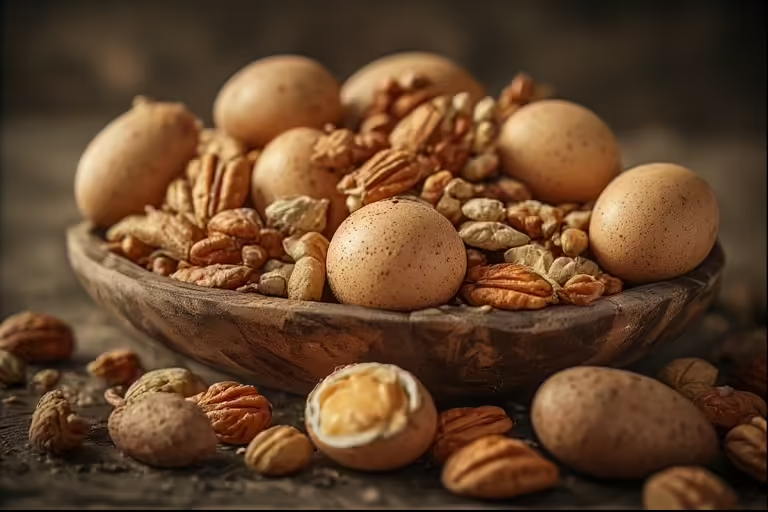
While supplements are a convenient option, many nutritionists recommend boosting your biotin levels naturally through a “food-first” approach. Incorporating biotin-rich foods into your daily meals provides a spectrum of other synergistic nutrients that support overall health. Egg yolks are among the most concentrated natural sources of biotin, though they must be cooked to ensure the biotin is bioavailable. Legumes, such as peas, lentils, and soybeans, offer a fantastic plant-based source packed with B-vitamins and fiber. Additionally, a handful of nuts and seeds—particularly almonds, walnuts, and sunflower seeds—can provide a significant boost. For a nutrient-dense side dish, sweet potatoes are an excellent choice, containing high levels of biotin alongside beta-carotene, which converted to Vitamin A for skin health.
Frequently Asked Questions
- How long does it take for biotin to work on nails? It typically takes 3 to 6 months of consistent daily use to see visible results, as the new, stronger nail needs time to grow out from the matrix.
- Can I take too much biotin? Biotin is water-soluble, meaning excess is usually excreted in urine. However, very high doses can interfere with lab tests, so always consult a doctor.
- Does biotin cause skin breakouts? While rare, some people report “biotin acne.” This is often attributed to an imbalance with Vitamin B5; staying hydrated can help mitigate this.
- Is it better to get biotin from food or supplements? A “food-first” approach is ideal for overall nutrition, but supplements are highly effective for those with specific deficiencies or chronic brittleness.
Conclusion: Should You Supplement?
If you struggle with chronic nail brittleness, ridges, or frequent breakage despite maintaining a solid topical hydration routine, biotin supplementation could be a highly beneficial addition to your regimen. By strengthening the nail from the inside out, you provide your body with the building blocks it needs for long-term resilience. For the absolute best results, we recommend a holistic approach: pair your internal nutrition with external protection like high-quality cuticle oils and gentle filing. This multi-layered strategy ensures your nails are supported at every stage of their growth cycle. For more detailed advice on building a complete, professional-grade maintenance routine, be sure to check out our comprehensive Essential Nail Care Guide.
Ready for Stronger Nails?
Download our free FREE 30-Day Nail Health Checklist to track your nutrition and routine!
Leave a Reply